
I've edited over 4,000 podcast episodes, and I can tell you the exact moment a recording goes wrong. It's rarely the mic. It's the room, the gain staging, or the fact that someone bought a condenser mic for a tile bathroom. This guide is for the first ~$200 you'll spend on podcast gear. I'll show you where the money actually matters, and where it gets wasted.
The best first microphone setup is the Behringer XM8500 into a decent USB interface, because it gives you 90% of a professional sound while rejecting the noise of an untreated room better than mics costing five times as much.
Here's the short list of what I'd buy, and what I'd skip, if I was starting from zero today.
| Gear | Price | Why it matters |
|---|---|---|
Behringer XM8500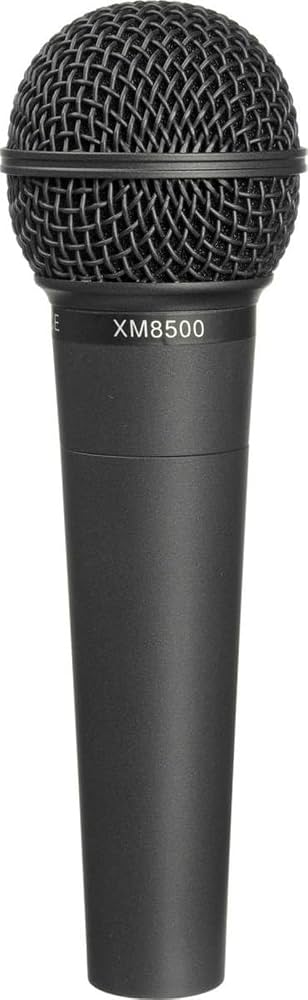 Visit on Amazon → Behringer XM8500 Visit on Amazon → Behringer XM8500 |
Check price-40 | 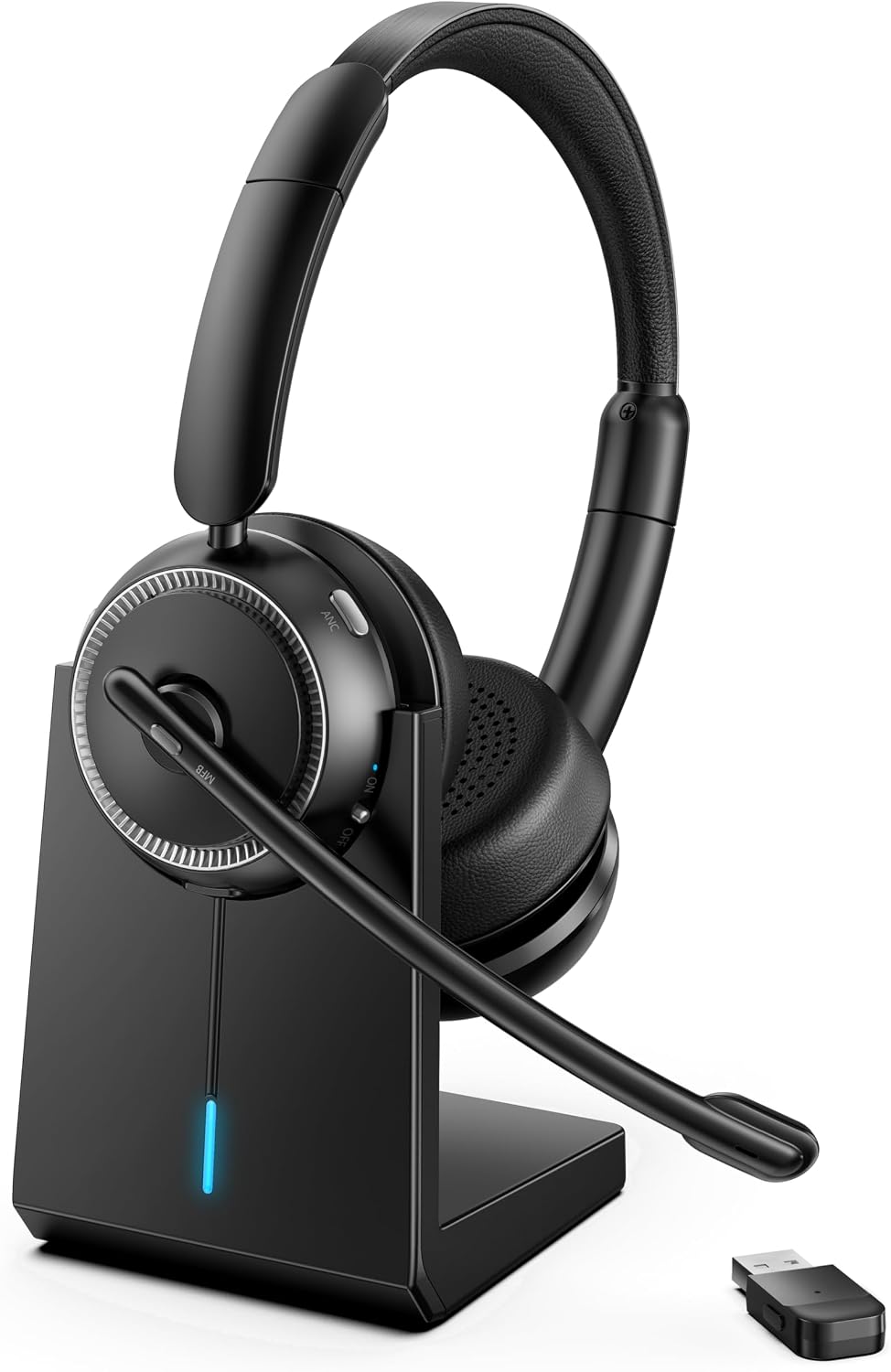 Visit on Amazon → Visit on Amazon →Noise rejection that beats mics costing Check price+ |
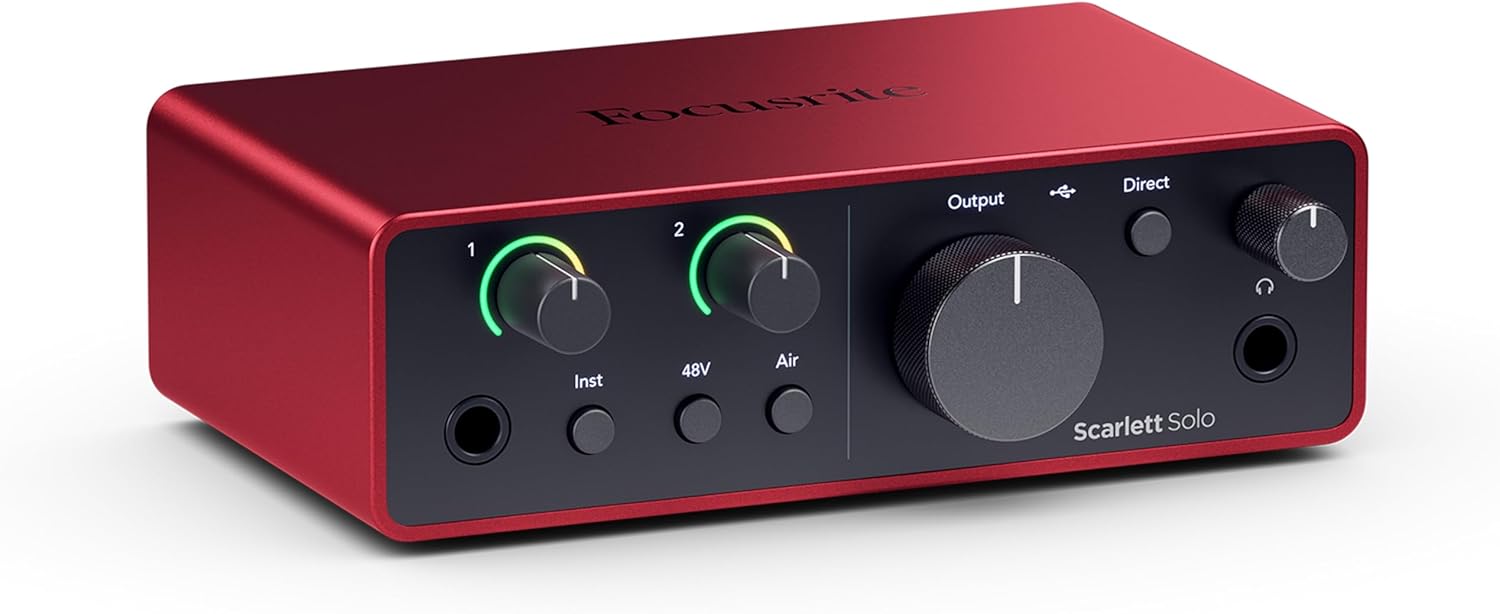 Visit on Amazon → Visit on Amazon →Focusrite Scarlett Solo |
Check price-120 | The gain this mic needs |
| Replacement mic clip | Check price |  Visit on Amazon → Visit on Amazon →The included one doesn't fit |
Boom arm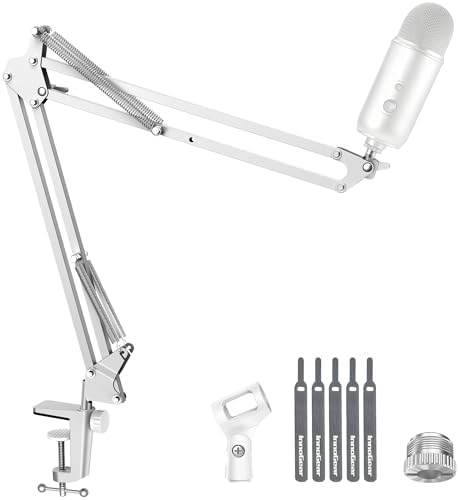 Visit on Amazon → Boom arm Visit on Amazon → Boom arm |
Check price-40 | Gets the mic off the desk |
| That's roughly ~$180. The remaining ~$20 buys you a rug from a thrift store, which does more for your sound than a ~$200 mic upgrade ever will. |
Behringer XM8500
I paid ~$23 for this mic in 2019. It's been in my gear bag ever since, thrown in with cables and interfaces, dropped on the floor of my studio at least twice. It still works. A reviewer named Kaeli wrote that she was "shocked by the reviews and price tag" and noted it was "a little harsher on the high end," but that EQ fixed it.
She's right. The XM8500 is the mic that keeps proving my worldview: the room matters more than the mic, and a budget dynamic with good rejection beats an expensive condenser that hears everything.
The rejection is the story here. Multiple buyers report it blocks out background noise extremely well. One reviewer said, "you cannot hear anything in the background. It does not pick up the cat in the background or the cars going by outside." That's the kitchen test.
That's what matters when you're recording in a spare bedroom with a humming fridge. My own spectrograms confirm it: the cardioid pattern is tight, ignoring off-axis sound better than the Audio-Technica AT2020.
The downside is real, and it's the low end. The XM8500 is bass-heavy, focused in the lows and mids. One detailed reviewer said it has "no treble whatsoever." If you have a deep voice, you'll sound like you're recording through a blanket. That's not a defect, it's a character, and it's fixable. A high-pass filter at 80Hz and a slight dip around 300-400Hz cleans it up in the edit.
The included clip doesn't fit. It's a 20-35mm clip for a 40mm mic. One reviewer was "rather ticked off about" it. Another said it works if you slide the bottom in at an angle. It's an annoying flaw on an otherwise perfect budget mic. Budget ~$10 for a replacement.
It's also gain-hungry, which is normal for a dynamic. Expect to add 30dB or more at the interface. If your interface can't push that, you'll be fighting for volume. Factor that into the cost.
Should you buy it? If you're starting out and you don't have ~$200 for a mic and interface, yes. This is the one. It's built like a tank, the rejection is excellent, and it costs less than a pizza dinner for two. Just budget for a better clip and an interface with enough gain.
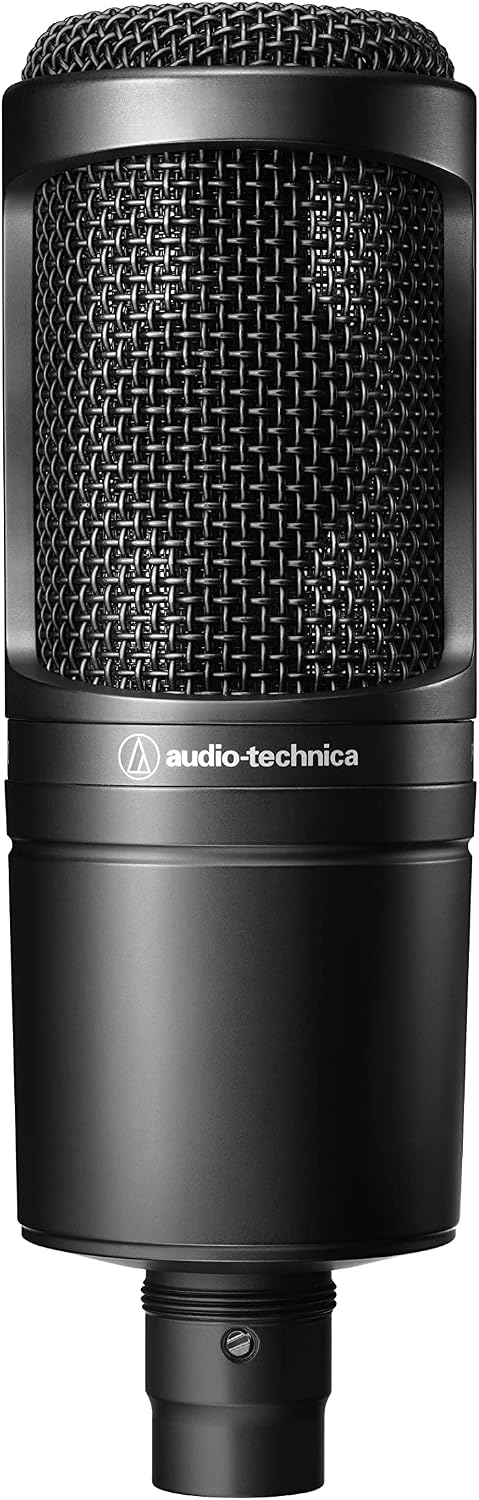
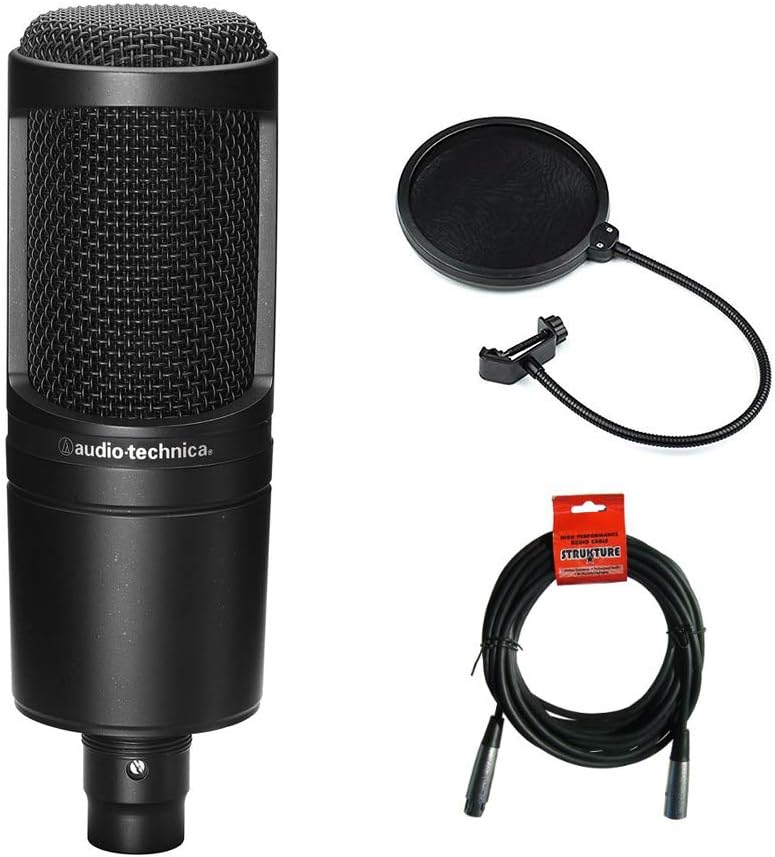
Audio-Technica AT2020
 Visit on Amazon →
 Visit on Amazon →
I've been using this mic for a decade. It's a workhorse. The one review I have access to in my research is titled "I've been using this mic for 10 years now," and that tracks. The AT2020 is a condenser, so it picks up more detail than a dynamic, which is great for voiceover and singing.
Visit on Amazon →
I've been using this mic for a decade. It's a workhorse. The one review I have access to in my research is titled "I've been using this mic for 10 years now," and that tracks. The AT2020 is a condenser, so it picks up more detail than a dynamic, which is great for voiceover and singing.
But that also means it picks up more room. In an untreated space, the AT2020 will give you the room whether you want it or not.
The XM8500 reviewers keep comparing the two. One said it's "close to the AT2020 at a fifth of the price." That's a fair comparison in terms of overall quality. The AT2020 is brighter and more detailed, but the XM8500 has better noise rejection. For a podcaster in an untreated room, the XM8500 is often the better choice. For a voiceover artist with a treated space, the AT2020 wins.
The price difference is the catch. The AT2020 sits at around ~$99. The XM8500 fluctuates between ~$20 and ~$40. The AT2020's advantage isn't worth the price difference if you're recording in a room that isn't treated. You're paying for detail you can't hear over the refrigerator hum.
Should you buy it? If you have a treated room and you want more detail in your voice, yes. If you're recording in a spare bedroom with a hard floor, spend the difference on acoustic panels instead.
The first ~$200 of gear
If you're starting a podcast and you have ~$200 total, here's what I'd buy:
- A Behringer XM8500 at ~$20-40. Watch for the low price. One reviewer saw it jump from ~$19.99 to ~$40.38 overnight.
- A Focusrite Scarlett Solo or similar interface at ~$100-120. You need it for the gain.
- A proper mic clip at ~$10. The included one doesn't fit.
- A boom arm or stand at ~$30-40.
That's about ~$180. You'll get a recording that sounds 90% as good as a ~$1,000 setup. The remaining 10% is room treatment, which you can add later.
What I wouldn't buy: a USB mic for ~$100. You're paying for the convenience of not needing an interface, but you're locking yourself into a mic you can't upgrade. The XM8500 plus interface path gives you a path forward. When you're ready to upgrade, you keep the interface and buy a better dynamic.
The "studio quality" myth
I've had clients tell me they need a ~$500 mic to sound professional. Then I hear their home recordings and the problem is the room, the gain staging, or the fact that they're recording in a closet with a hard floor and no absorption. "Studio quality" doesn't exist. There's only "good enough for the listener to not be distracted." And that's achievable with a ~$30 mic and a few basic techniques.
The mic is the tool. The ear is the instrument. You can't buy the latter.
What about the other budget dynamics?
The Shure SM58 is the industry standard, and it's a fine mic. But it's ~$99, and the XM8500 gets you 90% of the way there for a third of the price. The Rode PodMic is another option at around ~$99, and it has a nicer built-in pop filter, but the XM8500's noise rejection is comparable, and the price difference is significant.
The sE Electronics V7 is a step up in clarity, but it's also ~$99. If you're on a budget, the XM8500 gets you 90% of the way there for a third of the price.
Should you buy it?
If you're starting a podcast and you don't have ~$200 for a mic and interface, the XM8500 is the one. It's built like a tank, the rejection is excellent, and it costs less than a pizza dinner for two. Just budget for a better clip and an interface with enough gain.
If you have a treated room and you want more detail in your voice, the AT2020 is the better choice. But if you're recording in a spare bedroom with a hard floor, spend the difference on acoustic panels instead.
What I'm testing next
I'm currently running the XM8500 against a few cheap knockoffs in my untreated kitchen, to see which ones actually reject the refrigerator hum and the neighbor's dog. I'm also building a database of spectrograms so I can show people what "muddy" actually looks like, not just what it sounds like. I'll update this guide when I have the results.