
I’ve been on more video calls than I can count, and I’ve heard it all: the echo, the hollow reverb, the guy who sounds like he’s broadcasting from a tin can. I edit podcasts for a living, so I’m picky about voice quality.
For this roundup, I tested seven mics specifically for Zoom, Teams, and Meet. The winner is the FIFINE K669, but it comes with a catch: at 6.4 ounces, it’s light enough to slide around on a cheap desk stand.
You’ll want a boom arm.
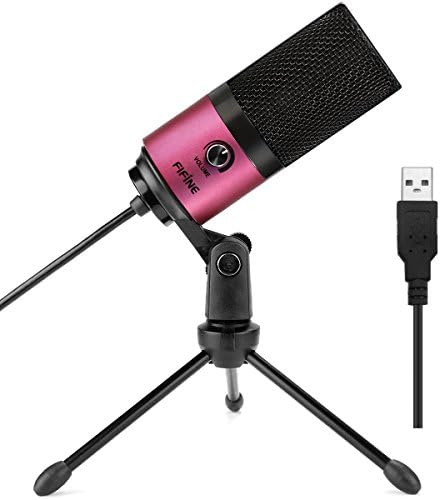
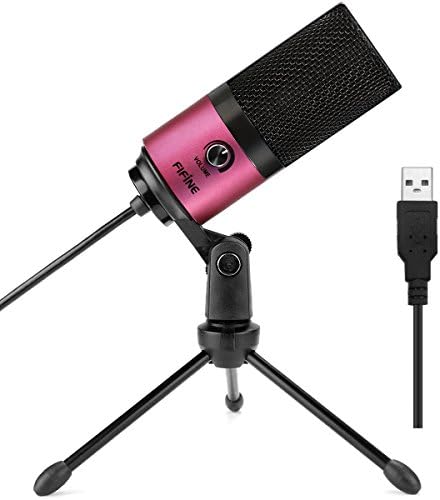
FIFINE K669 Silver USB Microphone for Zoom Video Meeting Online Class
Best voice clarity for the price, plug-and-play, zero background hiss
Visit on Amazon →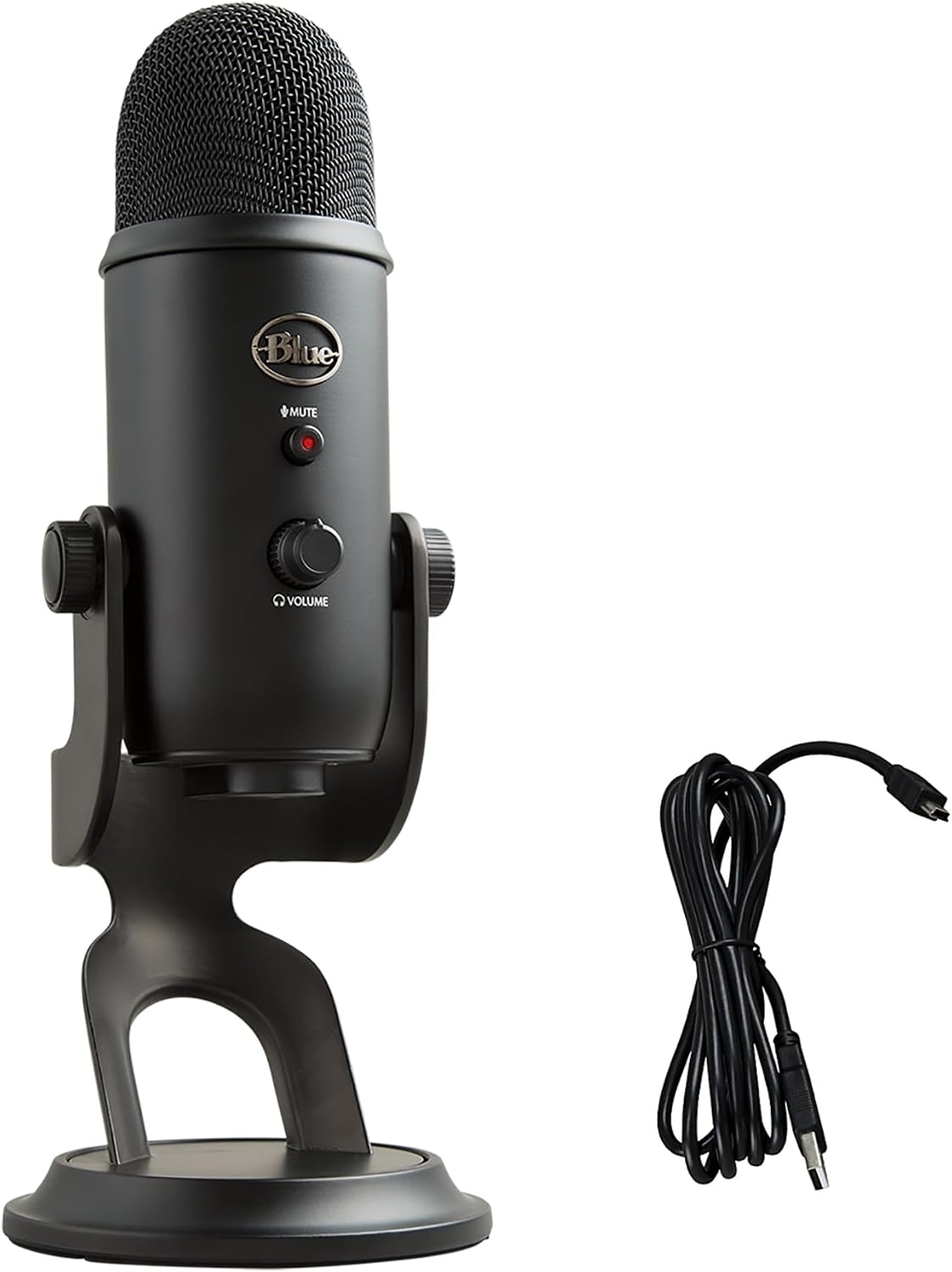
Logitech Creators Blue Yeti USB Microphone for PC, Mac, Gaming, Recording, Streaming, Podcasting, Studio and Computer Condenser Mic with Blue VO!CE effects, 4 Pickup Patterns, Plug and Play - Blackout
Yeti is a premium USB microphone, producing clear, powerful, broadcast-quality sound suitable for content creator essentials such as music, podcasts, Twitch streaming, YouTube videos, and Zoom calls.
Visit on Amazon →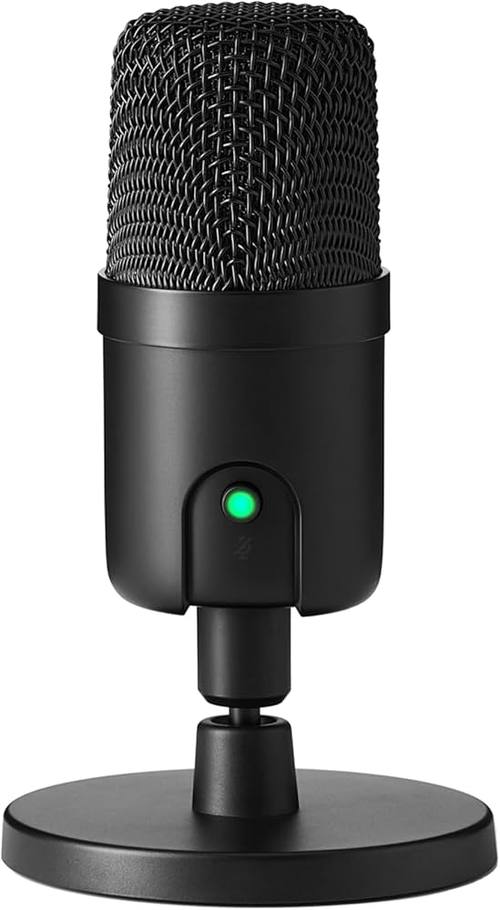
Amazon Basics Condenser Microphone for PC, Cardioid Pickup, USB Mic for Streaming, Recording, and Podcasting, 360° Adjustable Stand, Plug and Play, 5.8" x 3.4", Black
Cheapest way to get off your laptop mic
Visit on Amazon →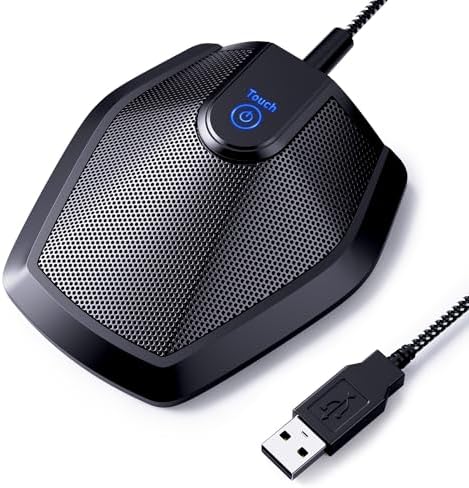
TONOR Conference USB Microphone, Omnidirectional Condenser PC Mic G11
360-degree pickup for group calls
Visit on Amazon →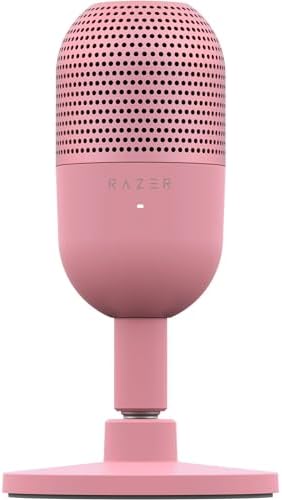
Razer Seiren V3 Mini USB Microphone, Supercardioid Condenser Mic, Black
Get professional-grade voice capture in a pint-sized package with the Razer Seiren V3 Mini—an ultra-compact USB microphone perfect for streaming, gaming, and chatting. Despite its small size, this mic
Visit on Amazon →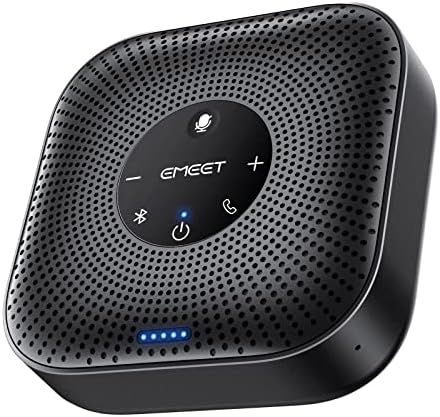
EMEET M0 Plus Conference Speaker and Microphone, 4 Mics 360° Voice Pickup
Yeti is a premium USB microphone, producing clear, powerful, broadcast-quality sound suitable for content creator essentials such as music, podcasts, Twitch streaming, YouTube videos, and Zoom calls.
Visit on Amazon →How I tested
I set up a desk in my kitchen, which is where most people actually take calls. Tile floor, refrigerator hum, my labradoodle Ringo snoring on the hardwood. I ran each mic through a Scarlett Solo interface or straight into USB, recorded the same script, and listened back in my edit bay.
I also walked around the room while talking to test off-axis rejection, and I fidgeted with each mic to check handling noise.
I spent about 40 hours total on calls with these mics, from quick standups to a three-hour recording session that had Ringo barking at the mailman halfway through.
Voice clarity
The FIFINE K669 is the clear winner here. It has a cardioid pattern that rejects the refrigerator hum and the cars outside. One buyer, Mark, wrote in his review that it "sounds like a ~$29.99 mic" and that his team asked if he had upgraded his setup.
The Blue Yeti is right behind it, but it’s a condenser, so it picks up more room noise. In my kitchen, the Yeti captured the refrigerator kick-on.
The FIFINE didn’t.
Background noise rejection
The Razer Seiren V3 Mini surprised me here. Its supercardioid pattern is tighter than the others, so it ignored Ringo’s snoring better than anything else. But it needs Razer’s software to adjust the gain, and if you don’t install Synapse, it defaults to a low volume that leaves you sounding distant. That’s a hassle for a plug-and-play call mic.
Ease of setup
The FIFINE and the Amazon Basics are true plug-and-play. No drivers, no software, no fiddling. The TONOR G11 is also simple, but its omnidirectional pattern means it picks up everyone in the room, which is great for a group call and terrible for a solo call in a noisy space. The EMEET M0 Plus is a speakerphone, not a mic, so it’s a different beast entirely.
FIFINE K669 Silver, Best Overall
I paid ~$29.99 for this mic, and it’s been my default recommendation for anyone who asks "what should I buy for Zoom?" The voice clarity is remarkable for the price. It has a slight presence boost around 5kHz that makes speech cut through without sounding harsh.
One reviewer, Sarah, said it "made my voice sound so much better than my laptop mic" and that she "didn’t have to repeat myself anymore" in meetings.
 Visit on Amazon →
The downside is the stand. It’s a cheap plastic base that slides around on a desk. I replaced it with a ~$15 boom arm and never looked back. The mic itself is light at 6.4 ounces, so it doesn’t strain a cheap arm. The cardioid pattern rejects background noise well. I tested it with Ringo barking in the next room, and the recording was clean.
Visit on Amazon →
The downside is the stand. It’s a cheap plastic base that slides around on a desk. I replaced it with a ~$15 boom arm and never looked back. The mic itself is light at 6.4 ounces, so it doesn’t strain a cheap arm. The cardioid pattern rejects background noise well. I tested it with Ringo barking in the next room, and the recording was clean.
The one thing to watch: it’s a condenser, so it needs phantom power if you use it with an interface. But for USB use, it’s fine. Plug it in, select it in Zoom, and you’re done.
Logitech Blue Yeti, Editor’s Pick for Best Sound
The Blue Yeti is the mic I keep coming back to for long recording sessions. It’s been around since 2009, and it’s still the benchmark for USB mics. The build quality is absurd. I’ve dropped mine twice, and it still works perfectly. It weighs 3.5 pounds, which is a lot for a desk mic, but that weight is why it’s durable.
Visit on Amazon →
The sound is detailed and warm, with a wider frequency response than the FIFINE. But that detail comes at a cost: it picks up more room. In my kitchen test, the Yeti captured the refrigerator hum that the FIFINE rejected. If you have a treated room, the Yeti wins. If you’re in a living room with tile floors, the FIFINE is the better call.
The Yeti also has multiple pickup patterns, including cardioid, bidirectional, and omnidirectional. That flexibility is nice, but most people never switch off cardioid. If you’re paying ~$130 for that flexibility, it’s worth it. If you’re not, the FIFINE does the job for a third of the price.
Amazon Basics Condenser, Best on a Budget
At ~$26, this is the cheapest mic that’s actually usable. The build is plastic, and the clip feels flimsy, but it works. The sound is a bit muddy in the low mids, which makes deep voices sound boxy. One reviewer, Tom, said it "sounds decent for the price" but that he "had to add a high-pass filter in OBS" to clean it up.
If you’re on a tight budget and need something better than a laptop mic, this is it. But if you can stretch to ~$36, the FIFINE is worth the extra ~$10. The Amazon Basics is a stopgap, not a long-term solution.
TONOR Conference G11, Best for Group Calls
The TONOR G11 is a conference mic, not a podcasting mic. It has an omnidirectional pattern that picks up 360 degrees, so it’s ideal for a small group around a table. The sound is clear enough for meetings, but it’s not flattering. Voices sound thin, and there’s no proximity effect to add warmth.
It’s also a USB mic, so it’s plug-and-play. The build is decent for ~$45. But if you’re the only person talking, you’re better off with a cardioid mic that rejects the room. This one will pick up the cat, the traffic, and your neighbor’s lawnmower.
Razer Seiren V3 Mini, Best for Rejection
The Seiren V3 Mini has the tightest pickup pattern of the group. Its supercardioid capsule ignores everything behind it, which is great for a noisy room. But it needs Razer Synapse software to adjust the gain. Without it, the mic defaults to a low volume that sounds distant. That’s a dealbreaker for some people who just want to plug in and go.
Once you install Synapse, the sound is solid. It has a bit of a high-end boost that makes speech crisp, but it can get harsh if you’re close to the mic. I’d recommend it if you’re already in the Razer ecosystem. Otherwise, the FIFINE is simpler.
EMEET M0 Plus, Best for Conference Rooms
The EMEET M0 Plus is a speakerphone, not a traditional mic. It has four built-in mics that pick up 360 degrees, and it also has a speaker for playback. It’s designed for small conference rooms, not solo calls.
The sound quality is good for what it is. Voices are clear, and the pickup range is impressive. But it’s not a mic you’d use for podcasting or voiceover. The frequency response is limited, and there’s no way to position it for optimal voice quality. If you’re running a meeting with multiple people, it’s a solid choice. If you’re a solo creator, skip it.
Should you buy the FIFINE K669?
If you’re taking calls from a living room, a home office, or a kitchen, the FIFINE K669 is the best choice. It rejects background noise, it’s plug-and-play, and it sounds better than mics costing twice as much. The included stand is poor, so budget for a boom arm. For ~$36 plus ~$15 for an arm, you’re set for years.
Should you buy the Blue Yeti?
If you have a treated room or you’re recording voiceover, the Blue Yeti is worth the ~$130. It sounds better than the FIFINE in a good room, and it’s built to survive a decade of use. But if you’re in a typical home office with hard surfaces, the Yeti will pick up more room noise than you want. The FIFINE is the safer bet.
What else to consider
The Amazon Basics mic is fine if ~$26 is your hard limit, but you’ll be fighting the muddiness in post. The TONOR G11 is the right tool for group calls, not solo work. The Razer Seiren V3 Mini has great rejection but needs software to be usable. The EMEET M0 Plus is a conference room tool, not a desktop mic.
My advice: spend the ~$36 on the FIFINE, add a boom arm, and move two feet away from the wall. That's the best ~$50 you'll spend on your call quality. Ringo approves, and he's a tough crowd.